

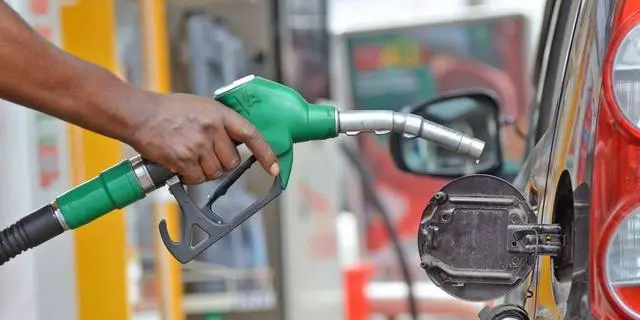
Nigerians could soon see a drop in petrol and diesel prices due to a notable fall in global crude oil prices, according to industry marketers. However, they warn that the price relief at filling stations may not happen right away.
According to oilprice.com, crude oil prices dropped below $60 per barrel over the weekend, with Brent trading at $59.80 and the West Texas Intermediate (WTI) at $56.71 on Monday. Compared to last Friday’s average of $65 per barrel, this is a significant decline. At $64.60 a barrel, Nigeria’s main crude grades, Brass River and Qua Iboe, were more than $10 less expensive than the $75 benchmark anticipated in the 2025 budget. Concerns regarding the sustainability of the budget assumptions and anticipated government revenue have been raised by the decline.
The falling global crude prices, combined with exchange rate fluctuations, remain the primary determinants of the domestic cost of refined petroleum products. Consequently, stakeholders believe that the recent decline may eventually lead to price adjustments, but only after some market stability.
In an interview with The PUNCH, the National Publicity Secretary of the Independent Petroleum Marketers Association of Nigeria (IPMAN), Chinedu Ukadike, explained that oil speculators are closely monitoring the market.
“Prices may come down, but not immediately. The market will first evaluate whether the current drop is based on natural or artificial causes. If the decline is due to temporary or speculative factors, prices might not adjust right away. However, if the trend continues for the next two weeks, we may begin to see a reduction in pump prices,” Ukadike said.
Corroborating this view, the President of the Petroleum Products Retail Outlet Owners Association of Nigeria (PETROAN), Billy Gillis-Harry, noted that crude oil purchased at higher prices is still in circulation, which may delay any immediate change in product pricing.
“There is always a lag between changes in crude prices and their impact on retail prices. Even though input costs may fall due to the current slump, the system is still processing earlier feedstock acquired at higher costs,” he said. “Price adjustments are inevitable but won’t happen as quickly as consumers may expect.”
Global oil markets have come under renewed pressure following a decision by OPEC+ to accelerate oil production hikes. Reuters reported that oil prices declined by over $1 per barrel on Monday, hitting their lowest levels since April 9. This followed the group’s announcement to increase output by 411,000 barrels per day in June, as part of a phased reversal of previous cuts.
The latest agreement brings total increases from April to June to 960,000 barrels per day — a 44 per cent reversal of the 2.2 million bpd cuts implemented since 2022. Analysts believe the move could add further downward pressure on prices amid an already uncertain global demand outlook.
Although Nigerian consumers may eventually gain from these global dynamics, industry analysts emphasize the need for patience as the market adapts to the changing environment.

