

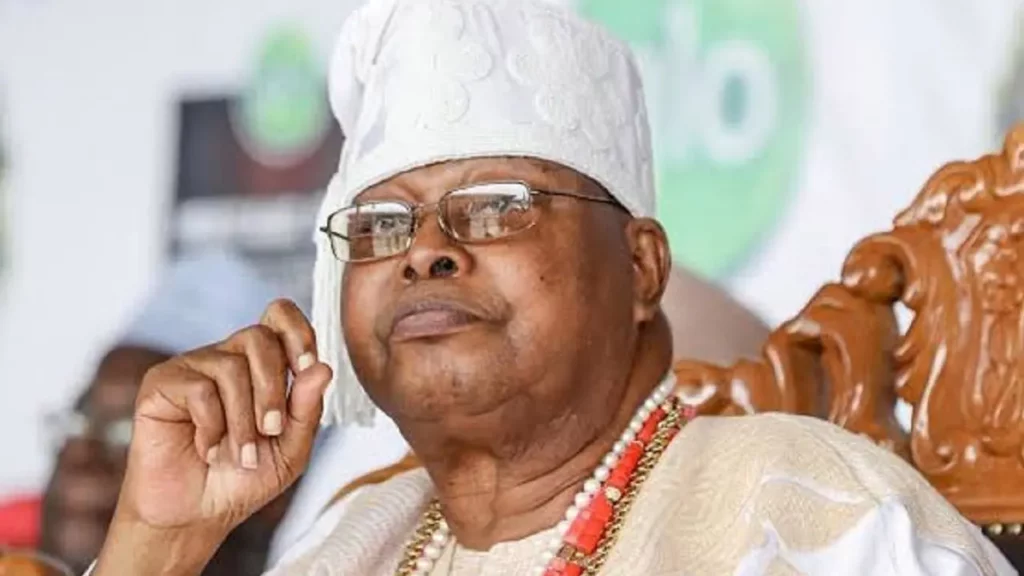
The historic decision to bury the late Awujale of Ijebuland, Oba Sikiru Kayode Adetona, according to Islamic rites has ignited what many call an era of Awujale burial freedom, a bold departure from age-old ritual practices that critics describe as oppressive.
Oba Adetona, who passed away at 91 on July 13, 2025, was buried on Monday at his Ijebu Ode residence. The quiet Islamic ceremony, protected by soldiers who turned back traditionalists seeking to perform customary rites, marked the end of a reign that stretched over six decades and the start of a cultural turning point.
A monarch who challenged tradition
During his lifetime, Oba Adetona publicly resisted elements of Yoruba burial customs involving secret societies, forced corpse seizure, or, in some reported instances, human sacrifice. His position became law in 2022 when Ogun State Governor Dapo Abiodun signed the “Obas, Chiefs, Council of Obas and Traditional Council Law.” This legal reform grants traditional rulers the right to be buried according to their faith.
The late Awujale’s family stood firmly by his wish for an Islamic burial, drawing support from prominent voices like the Oluwo of Iwo, Oba Abdulrosheed Akanbi. “The burial process protected the sanctity of Yoruba traditional institutions and freed traditional rulers from physical and spiritual oppression after death,” Oba Akanbi declared.
For Oluwo, the Awujale burial freedom stands as proof that tradition can evolve. “Any town willing that its king be butchered after death should appoint an herbalist, Osugbo or Ogboni as their king,” he said, criticising secret societies’ grip on monarchs’ final moments.
The clash at the burial ground
Eyewitnesses described a tense scene at the Ogbagba Court, where soldiers escorted away traditionalists attempting to access the venue. Videos circulated online showed mourners shouting, “This is a Muslim burial, go back. We don’t want any trouble,” underscoring the community’s resolve to honour the king’s religious wish.
While some traditionalists argued they came only to pay respects, the royal family’s choice stood firm. The debate echoes long-standing tensions in Yoruba society between strict cultural practices and religious beliefs.
Notably, the late Awujale foresaw such friction. In 2020, he backed a bill allowing monarchs to choose faith-based burials, arguing that dignity and religious conviction should guide a ruler’s final journey.
Voices of tribute and reflection
The burial drew an outpouring of respect across Nigeria. Former Vice President Yemi Osinbajo, Lagos Governor Babajide Sanwo-Olu, billionaire Aliko Dangote, and other dignitaries attended the solemn prayer. They praised the Awujale’s fearless leadership, dedication to truth, and modernising influence over Ijebuland.
Senate Leader Opeyemi Bamidele called him an “unrepentant proponent of peace, stability, and unity.” At the same time, Speaker of the House Abbas Tajudeen highlighted his role in transforming the Ojude Oba festival into a global cultural event.
The late monarch’s 64-year reign witnessed Ijebu land balancing heritage and progress, a legacy many say his burial decision has now extended beyond life.
What does this mean for the Yoruba monarchy?
Observers believe the Awujale burial freedom may inspire other royal families to rethink burial customs once considered untouchable. Oluwo of Iwo went further, promising his stool will never submit to secret societies: “Iwo throne can never be subjected to the command of any secret society. Even after my death, I trust my people.”
Yet, criticism remains. Some traditionalists and cultural scholars warn that rejecting ancestral rites risks weakening Yoruba identity. Veteran Ifa priest and actor Ifayemi Elebuibon has argued that such shifts reflect external religious influence over authentic Yoruba heritage.
Still, the tide may be turning. For many, the Awujale burial freedom story is less about rejecting culture and more about choice, dignity, and the belief that respect for tradition must not contradict personal faith.
As Yoruba kings across southwestern Nigeria reflect on this moment, the legacy of Oba Sikiru Adetona’s final wish may prove just as transformative as his long and storied reign.
Buhari’s Medical Treatment Abroad Spark Fresh Debate After Death

